The Aesthetics of Joseon Moon Jar
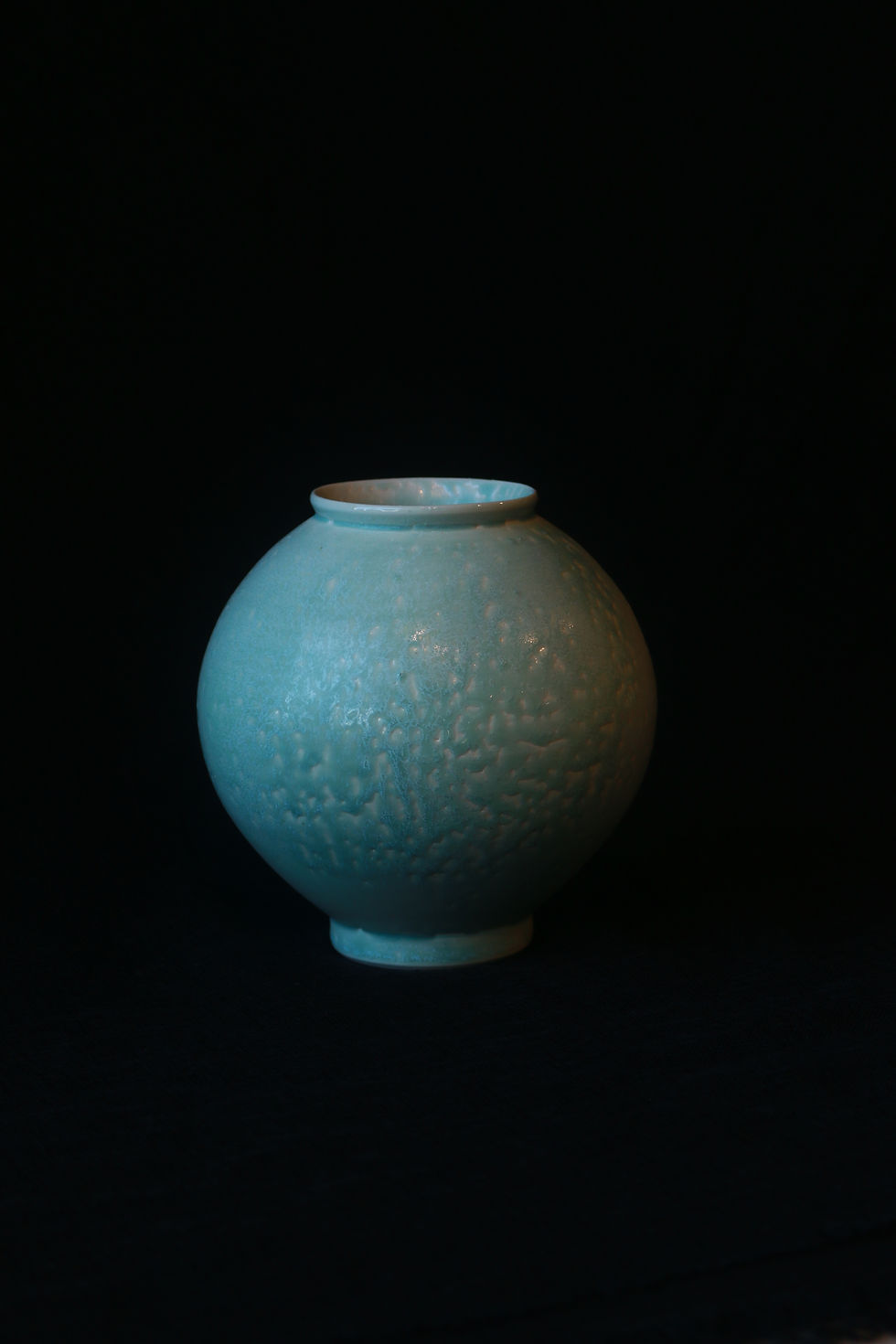
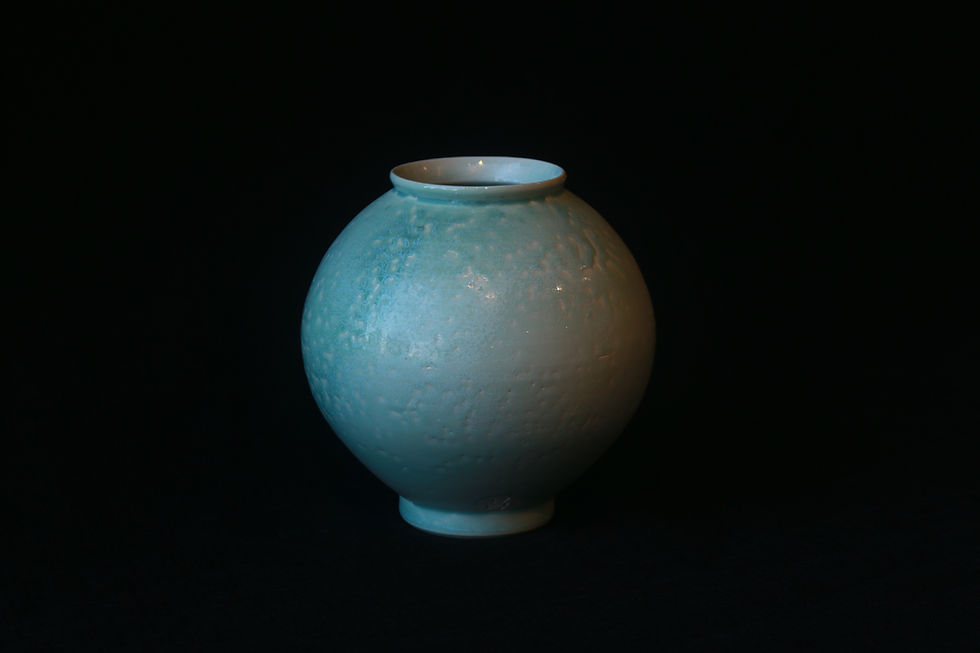
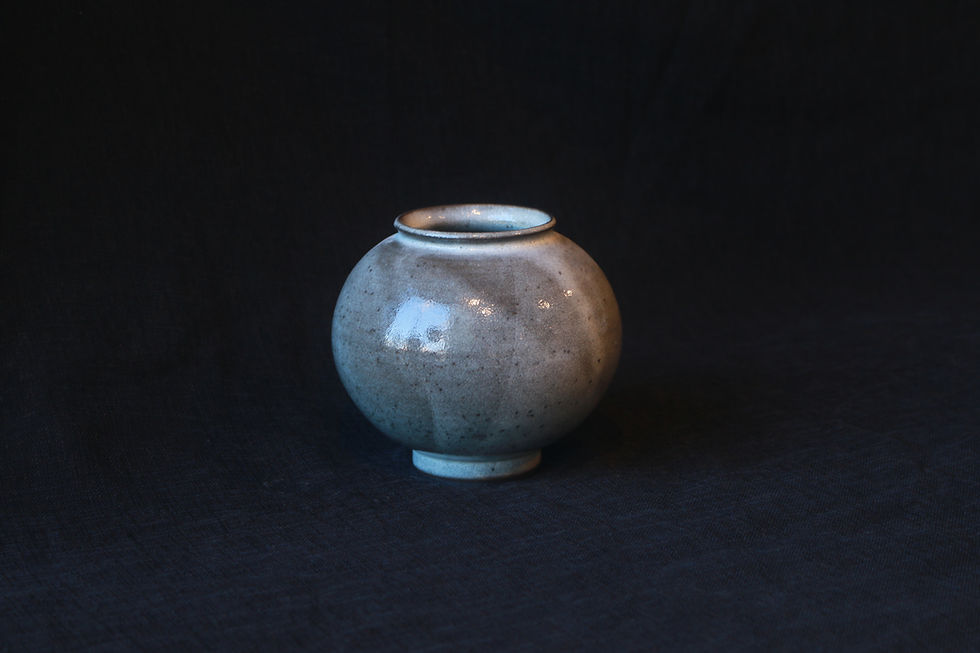
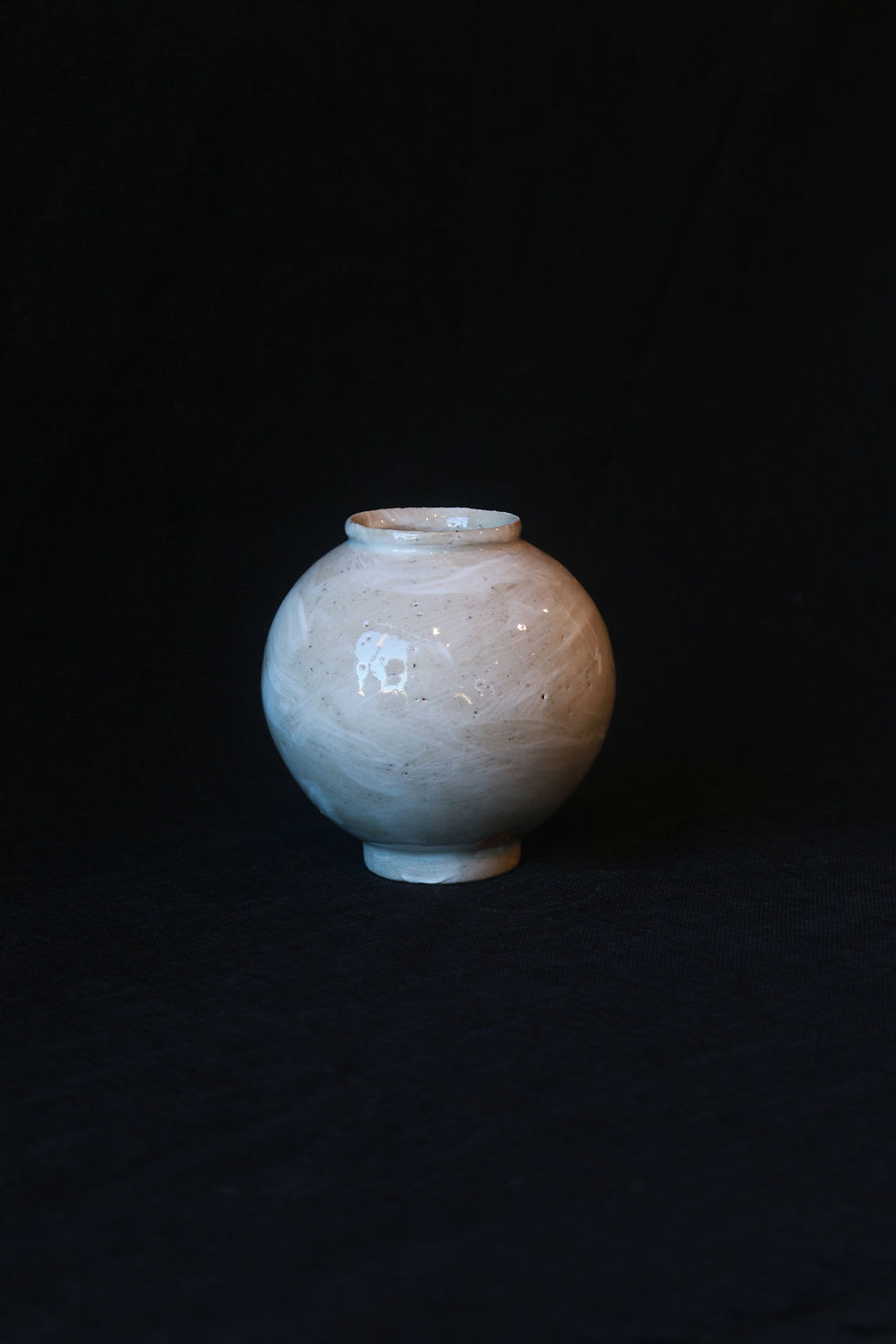
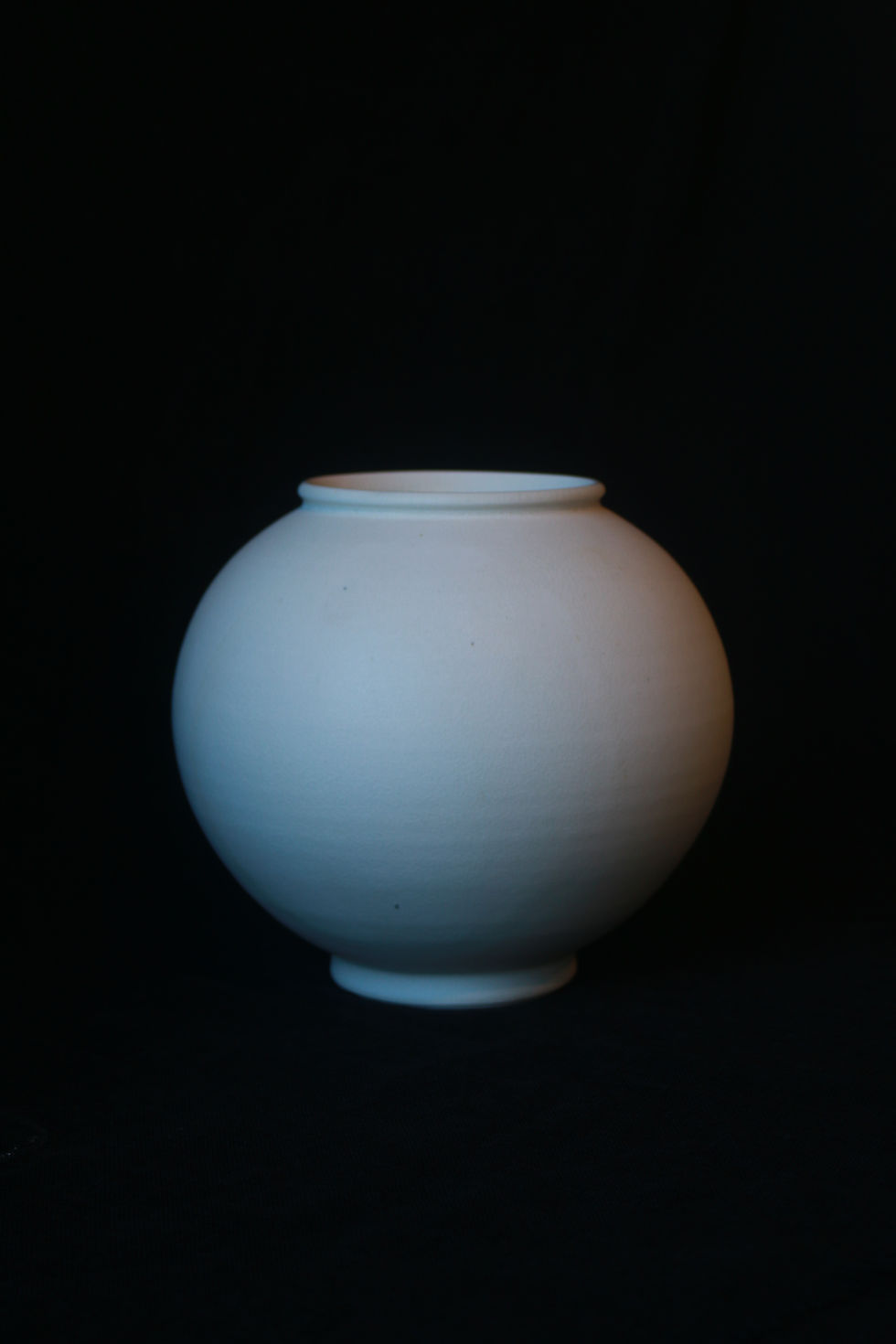
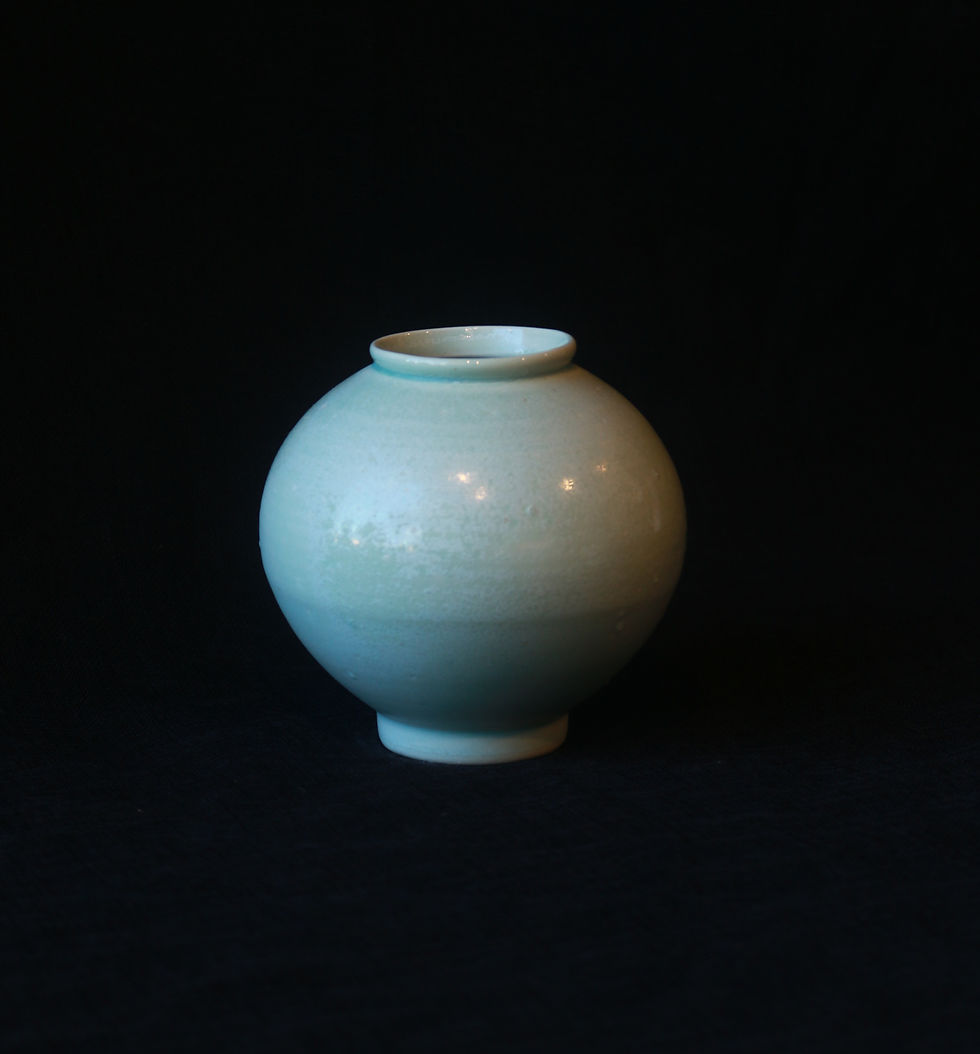
Large white porcelain vessel created in the late 17th century, during the period of the Joseon dynasty.
From its resemblance to a full moon, round, luminous, quietly suspended in space, it received its poetic title: Moon Jar.
It is a form born of simplicity, yet it carries an unexpected emotional weight.

The Beauty of
Pure White
No painted motifs. No ornament. Only white.
Yet the surface is never empty. As light changes through the day, the jar shifts from soft milk to pale blue to gentle ash. Shadows move across it quietly.
It doesn’t demand attention — but the longer you look, the more it reveals.
Generous Form
The shape gently narrows before opening outward, then comes together again at the rim.
It feels natural in the hand and calm to the eye. Even when empty, it carries a sense of fullness.
This quiet openness reflects a Korean design sensibility — balanced, thoughtful, and never excessive.


An Irregular
Circle
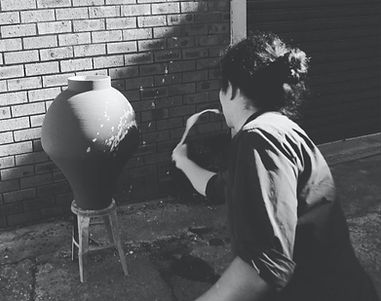
The Moon Jar is formed in two halves, shaped separately and joined by hand.
Where they meet, small variations appear, a gentle tilt or soft asymmetry. These are not flaws, but traces of the maker’s touch.
The result is a form that feels warm, balanced, and quietly human.










Available Artworks
Let's Get
Social